The Power of a Leaf: Tiny Structures, Big Stories
 Dr. Rosalie Sinclair
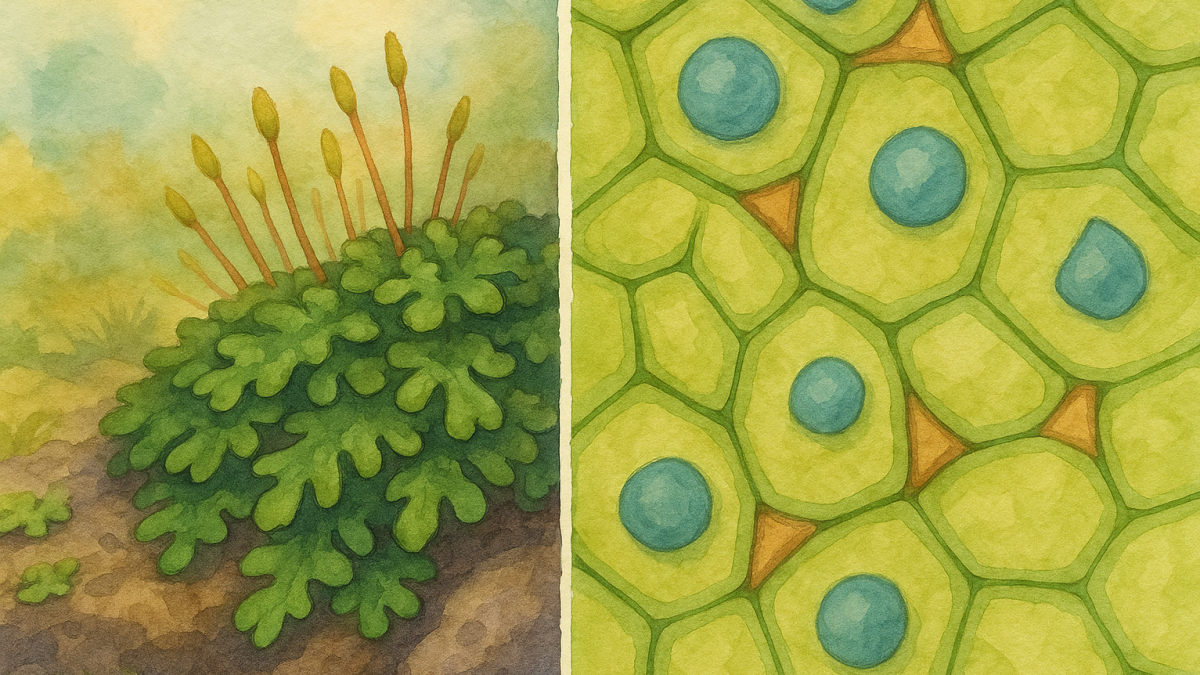
Discover the hidden beauty & resilience in every leaf, tiny structures, big stories of survival & ingenuity revealed under the microscope.
The Power of a Leaf: Tiny Structures, Big Stories
Have you ever paused on a walk and really looked at a leaf?
Not just its green blur, not just its shape in the breeze, but up close, where the quiet details live. Beneath the surface lies a world of structure so intricate it would put any cathedral to shame: walls, pipelines, traps, tiny builders, and even flashes of color invisible to the naked eye.
Every day, these tiny leaf structures make life possible for the plant and us.
I remember the first time I noticed this. Mid-hike, I paused to look at a velvety green leaf through a magnifying lens my grandfather once kept in his old toolbox. What I thought was a smooth green surface became a quilt of tiny windows, branching veins, and glistening textures. In that moment, I realized even the smallest leaf holds a universe.
"Nature does not hurry, yet everything is accomplished."
— Lao Tzu
A Landscape in Miniature
Under a microscope, a simple leaf transforms into a landscape. Veins branch like rivers. Inside them, the xylem and phloem act as highways for water and sugar, as detailed in plant anatomy texts like Biology of Plants (Raven et al., 2013). Meanwhile, cells line up in elegant mosaics of rich green.
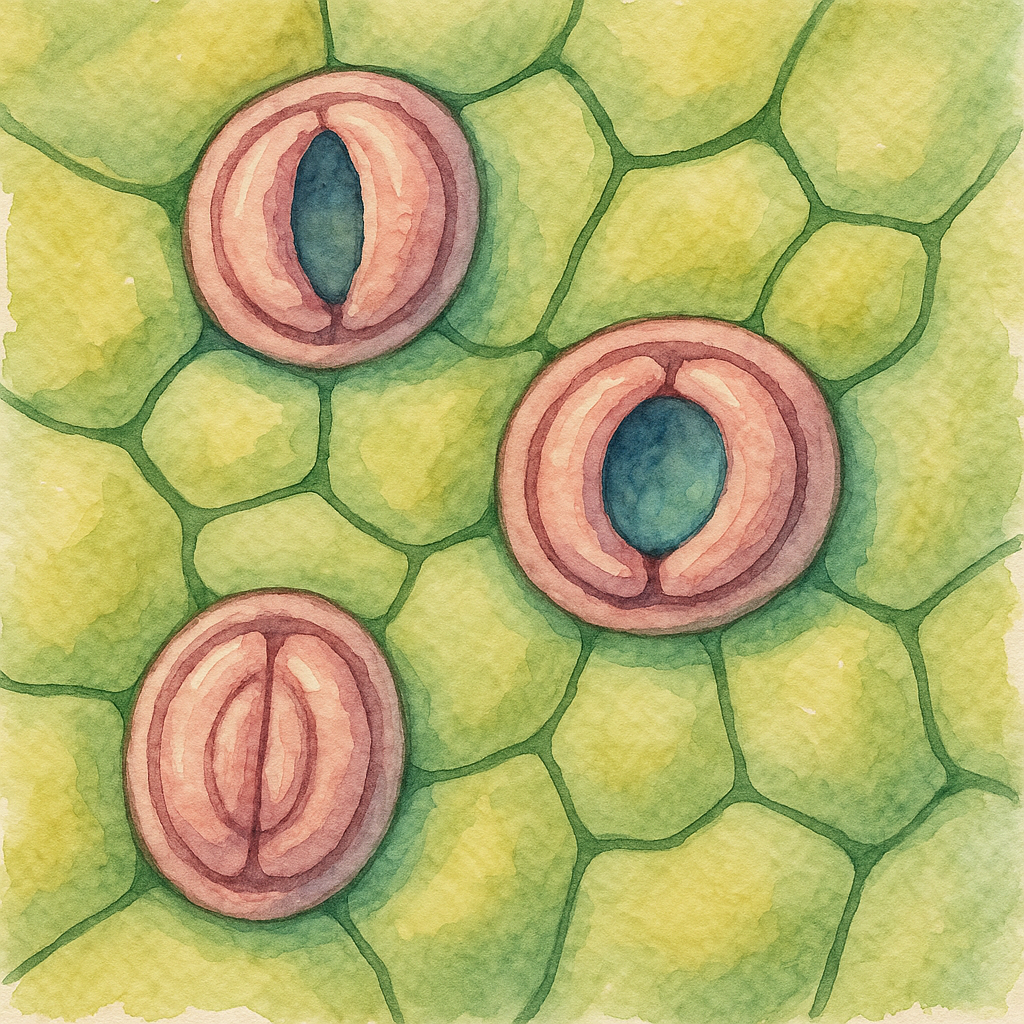
At the very surface, stomata, tiny mouths, open and close, breathing for the plant and allowing water and carbon dioxide to pass through.
Look closer still, and even the walls between cells come alive. Trigones, triangular thickenings where walls meet, reinforce structure at a microscopic level, helping leaves withstand stress (Crum, 2001). Sparkling inside some cells are oil bodies, round droplets that sometimes appear blue or clear depending on hydration and lighting, a feature especially noted in liverworts (Jandt & Renzaglia, 2021).
These features aren't just beautiful. They're deeply functional. They make leaves flexible enough to move with the wind but strong enough not to tear. They store water, protect against harsh sunlight and cold temperatures, and even deter hungry insects.
The Quiet Ancient Architects: Leafy Liverworts
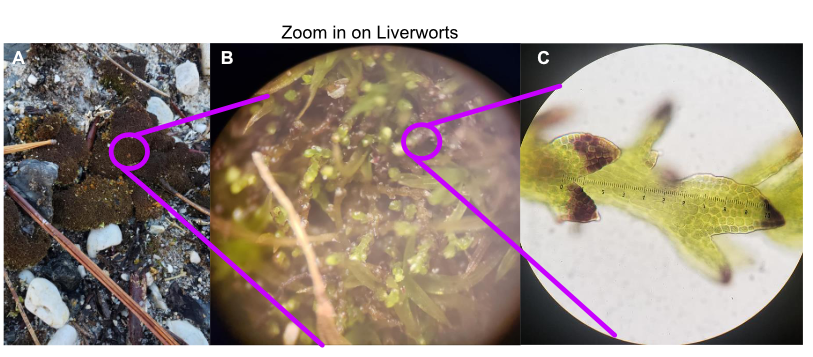
To meet some of the smallest and quietest heroes of the green world, you’ll need to look a little lower, perhaps at that tangled mat hugging a damp rock, or those delicate, ribbon-like puffs nestled in moss.
These are leafy liverworts, some of the earliest land plants to appear on Earth. As part of the bryophyte group, along with mosses and hornworts, they lack a vascular system. That means no xylem or phloem to transport water internally. Instead, their entire surface absorbs moisture, which is why they're often found pressed against rocks, logs, and other damp surfaces (Goffinet & Shaw, 2009).
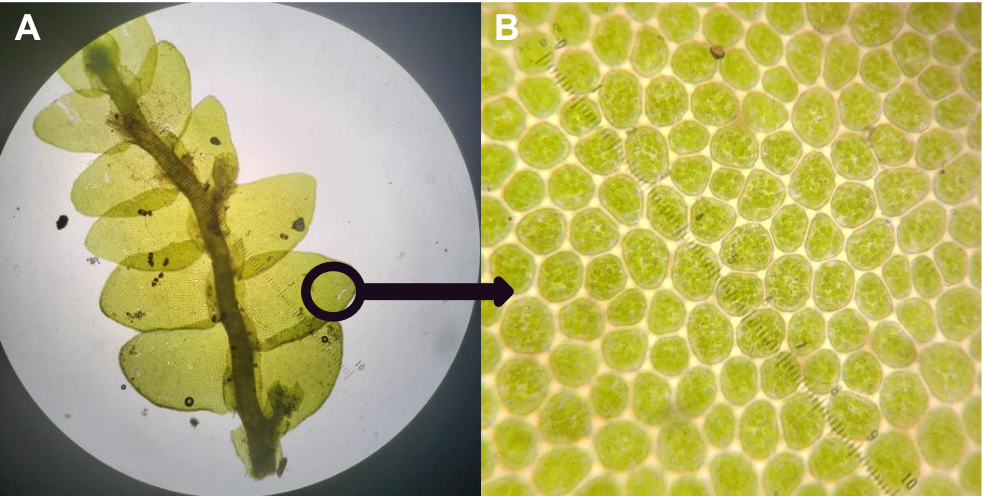
Leafy liverworts differ from mosses in subtle but important ways. Their "leaves," technically called phyllids, are arranged in neat rows. Some overlap like shingles; others curl under. Within their tiny leaf cells are oil bodies, unique structures that glow mysteriously under a microscope, sometimes with a bluish hue. The precise function of these oil bodies remains a topic of scientific inquiry, although current research in bryology suggests that they may contribute to stress tolerance, herbivore defense, or fat storage (Jandt & Renzaglia, 2021).
Why Do They Matter?
Leafy liverworts are pioneers. Among the first plants to colonize bare rock and harsh soils, they play a key role in ecological succession. Scientific studies describe how they help break down stone into soil, hold water, and create microhabitats where fungi, insect larvae, and seeds can take root (Schofield, 1985). They're more than scenic green mats; they're ecosystem engineers.
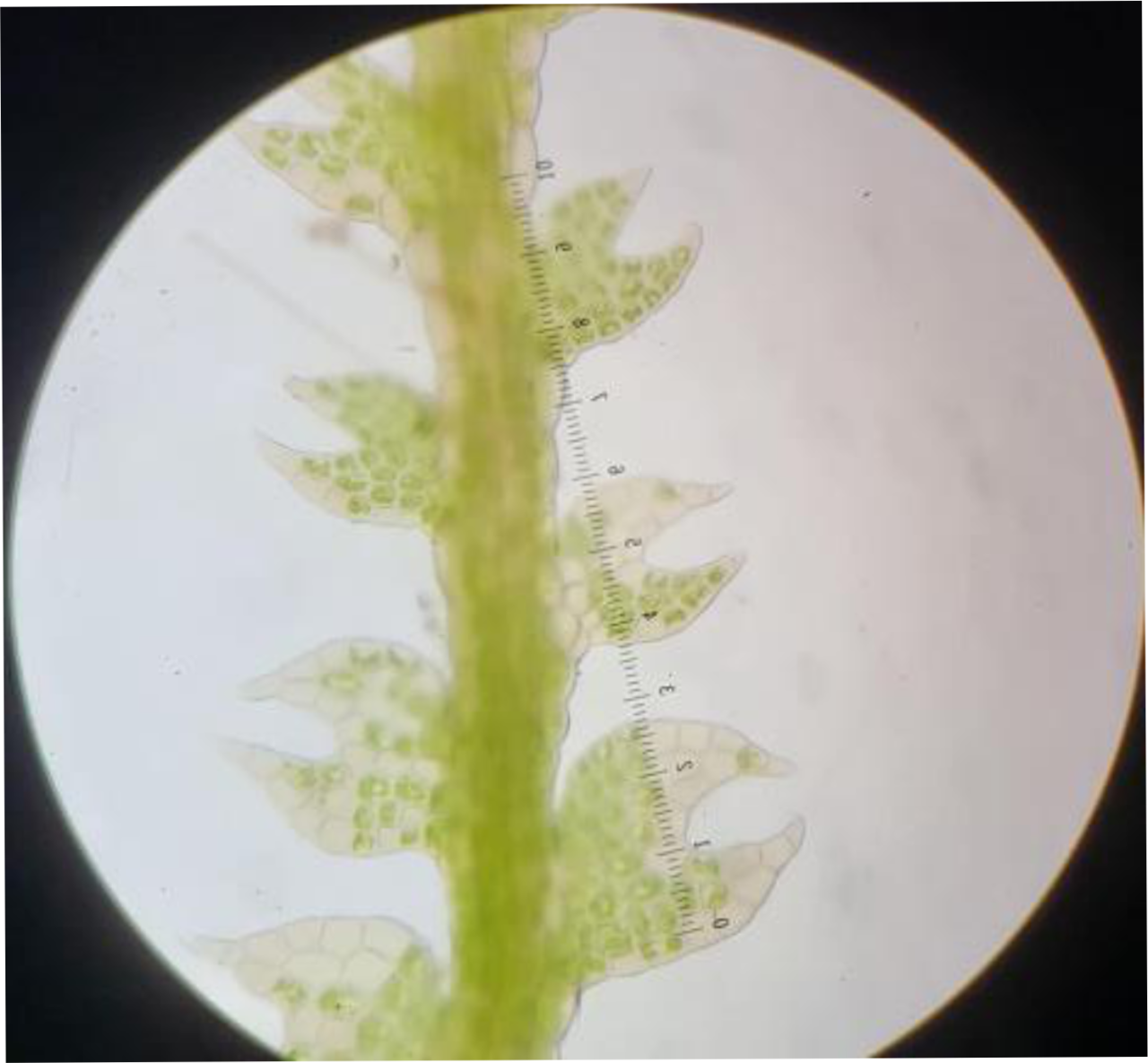
They’re also sensitive environmental indicators. Because they absorb water and nutrients directly from rain and surrounding air, they can reflect shifts in pollution levels, rainfall acidity, and even nuances of climate change. In this way, liverworts act like living report cards, quietly documenting environmental health.
On the cellular level, their structure reveals evolutionary breakthroughs. Trigones and complex wall reinforcements show how early land plants adapted to life outside aquatic environments, developing strength and water retention strategies that allowed them to thrive without drying out (Bateman & Renzaglia, 2021).
A Closer Look: Oil Bodies, Trigones, and More
One of the most fascinating joys of studying leafy liverworts is discovering their oil bodies. Seen under a microscope, these shimmering droplets gleam like jewels inside their cells. Scientists don't yet fully understand the secrets they hold, but many believe they evolved to protect against predation or to help liverworts tolerate desiccation and temperature fluctuations (Jandt & Renzaglia, 2021).
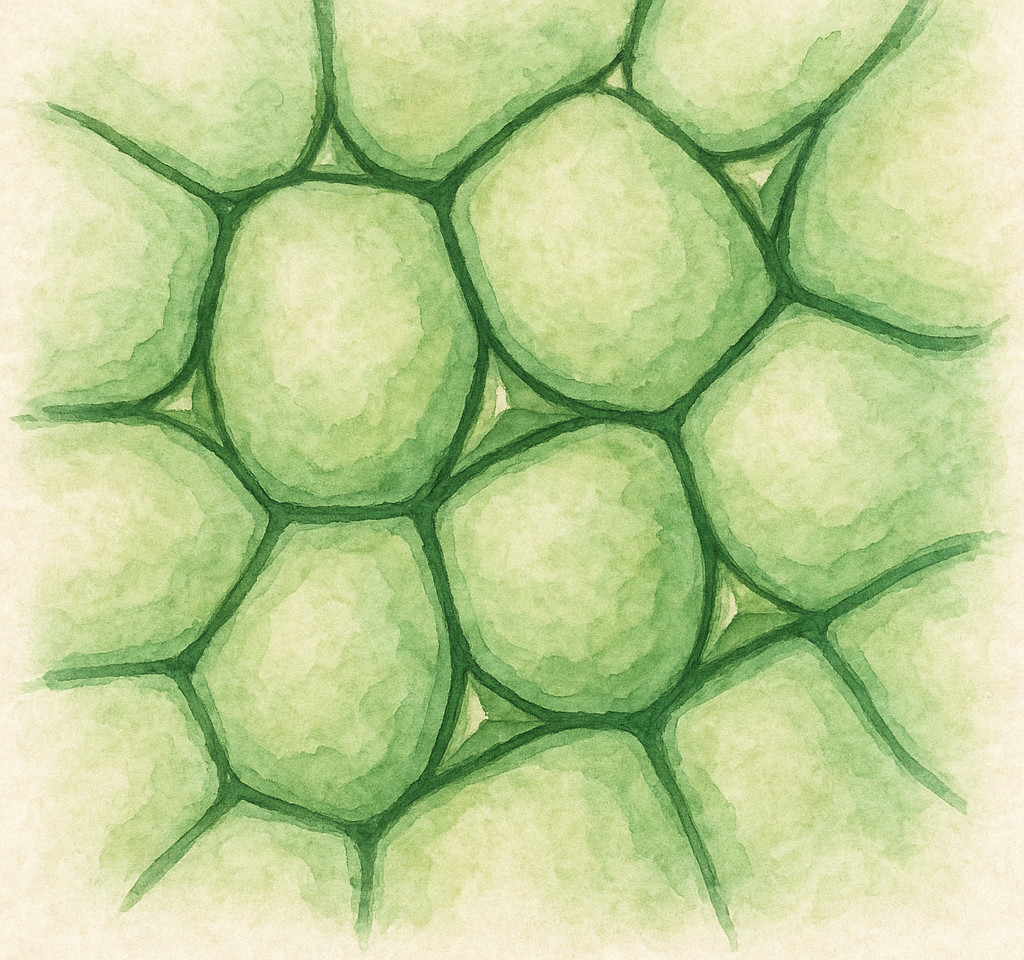
Then there are the trigones, the triangle-shaped braces at the corners between cell walls. These tiny features are like architectural supports, small but critical in maintaining the shape and toughness of the leaf. As in modern engineering, these reinforcements prevent collapse under mechanical stress.
Leaf shapes are equally diverse. They may overlap tightly, fan out flat like collection plates for rain, or curl downward to form protective pockets. Each pattern is finely tuned to help the plant survive in its particular microclimate.
In Your Hands Every Day
You don’t have to hike through a rainforest to find this wonder. You carry it home in your grocery bag.
The tomato leaf on your kitchen counter contains strong structural materials like lignin and cellulose, stiff, fibrous compounds that are hallmarks of vascular plants. They’re woven together like an intricate fabric, becoming visible in microscope studies when stained with dyes like toluidine blue. The pine needle underfoot? It’s just a specialized leaf, fine-tuned to sip water sparingly and survive long, frozen winters. Even ordinary grass blades boast tiny hairs, flexible ligules, and microscopic pores, all of which are designed to adjust to changing wind, sun, and touch.
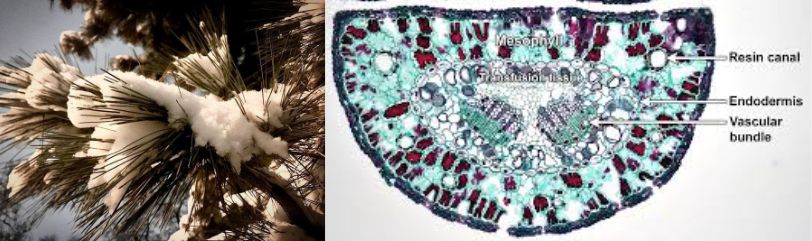
These structures serve not just the plant, but entire ecosystems. They feed insects, shelter life, hold soil in place, cycle water through landscapes, and help keep our air breathable.
A Story Written in Every Cell
Why does this matter? Because the tiny builders at work in every leaf, and especially in liverworts, are more than curiosity. They are blueprints for resilience.
They remind us that the smallest structures can carry enormous weight. That elegance and purpose can live side by side. And that every green surface around us is quietly telling a story of survival, adaptation, and profound ingenuity, if we care enough to look.
Maybe, like me, you’ll find yourself reaching for a magnifying glass. The flicker of moss in the light, the silent shimmer of a liverwort on stone, these aren’t just random details of a forest floor. They are ancient narratives, written in cells and walls and droplets.
So next time you pass a damp stone or a shady bank, pause. Next time you see a leaf in your garden, on your plate, or under your shoe, tilt it to the light. Trace its veins. Imagine walking within its corridors, scaled down to the size of a cell.
The story is already there, hidden in plain sight, written leaf by leaf, cell by cell.
What we eat, what we breathe, how we live, it all starts with these quiet, everyday marvels. A leaf is never just a leaf. And sometimes, the smallest ones tell the biggest stories.
Announcement!
I’m excited to share a new searchable glossary on the blog!
You can now look up key terms from my posts, like xylem, callose, or science storytelling, and get clear, simple definitions. As we branch into other areas of science, the glossary will keep growing with us!
This makes the blog more accessible to everyone, whether you’re just starting out in science or exploring a new field with me.
🌱 Searchable Glossary of Terms
A group of non-vascular plants that includes mosses, liverworts, and hornworts.
Plants without specialized vascular tissues, relying on surface absorption of water and nutrients.
Plants with xylem and phloem that transport water and sugars internally.
Leaf-like structures in mosses and liverworts, not true leaves.
Bundles of xylem and phloem forming visible networks in leaves.
The patterned arrangement of cells seen under magnification.
Thin outgrowths at the junction of a grass blade and stem that protect against water and debris.
tools to reveal structures invisible to the naked eye.
Vascular tissue that transports water and minerals upward.
Vascular tissue that transports sugars and metabolites.
Small pores on leaf and stem surfaces that regulate gas exchange and water vapor.
Triangular thickenings reinforce liverwort cell walls.
Droplets in liverwort cells thought to aid in defense or stress tolerance.
A rigidifying compound in plant cell walls, common in wood.
A carbohydrate that provides flexibility and strength to plant cell walls.
A biological stain used to differentiate plant tissues in microscopy.
A small, specialized habitat within a larger ecosystem.
Localized climate conditions within a specific small area.
Species that modify their environment, supporting other life.
Species that reflect the health of their environment.
The gradual development of ecosystems over time, beginning with pioneer species.
Physical or chemical adaptations that deter herbivores.
Drying or dehydration, which bryophytes can resist or recover from.
The conversion of sunlight, carbon dioxide, and water into sugars and oxygen.
Reference List:
Bateman, R. M., & Renzaglia, K. S. (2021). The origin and early evolution of land plants: field- and laboratory-based insights. Philosophical Transactions of the Royal Society B: Biological Sciences, 376(1838), 20200391. https://doi.org/10.1098/rstb.2020.0391
Crum, H. A. (2001). Structural Diversity of Bryophytes. University of Michigan Herbarium.
Goffinet, B., & Shaw, A. J. (2009). Bryophyte Biology (2nd ed.). Cambridge University Press.
Jandt, U., & Renzaglia, K. S. (2021). Oil bodies in liverworts: Unique features and significance. Plants, 10(3), 485. https://doi.org/10.3390/plants10030485
Niklas, K. J. (1992). Plant Biomechanics: An Engineering Approach to Plant Form and Function. University of Chicago Press.
Raven, P. H., Evert, R. F., & Eichhorn, S. E. (2013). Biology of Plants (8th ed.). W. H. Freeman and Company.
Schofield, W. B. (1985). Introduction to Bryology. Macmillan Publishing Company.
Villarreal, J. C., & Renner, S. S. (2012). Hornwort pyrenoids, carbon-concentrating structures, evolved and were lost at least five times during the last 100 million years. Proceedings of the National Academy of Sciences, 109(46), 18873–18878. https://doi.org/10.1073/pnas.1213498109
Willis, K. J., & McElwain, J. C. (2013). The Evolution of Plants (2nd ed.). Oxford University Press.
Categories: : All, plant structure